You followed every guideline. Your creative is clean. Your landing page has the right disclaimers. Your offer is real, your prescribers are real, your fulfillment is real.
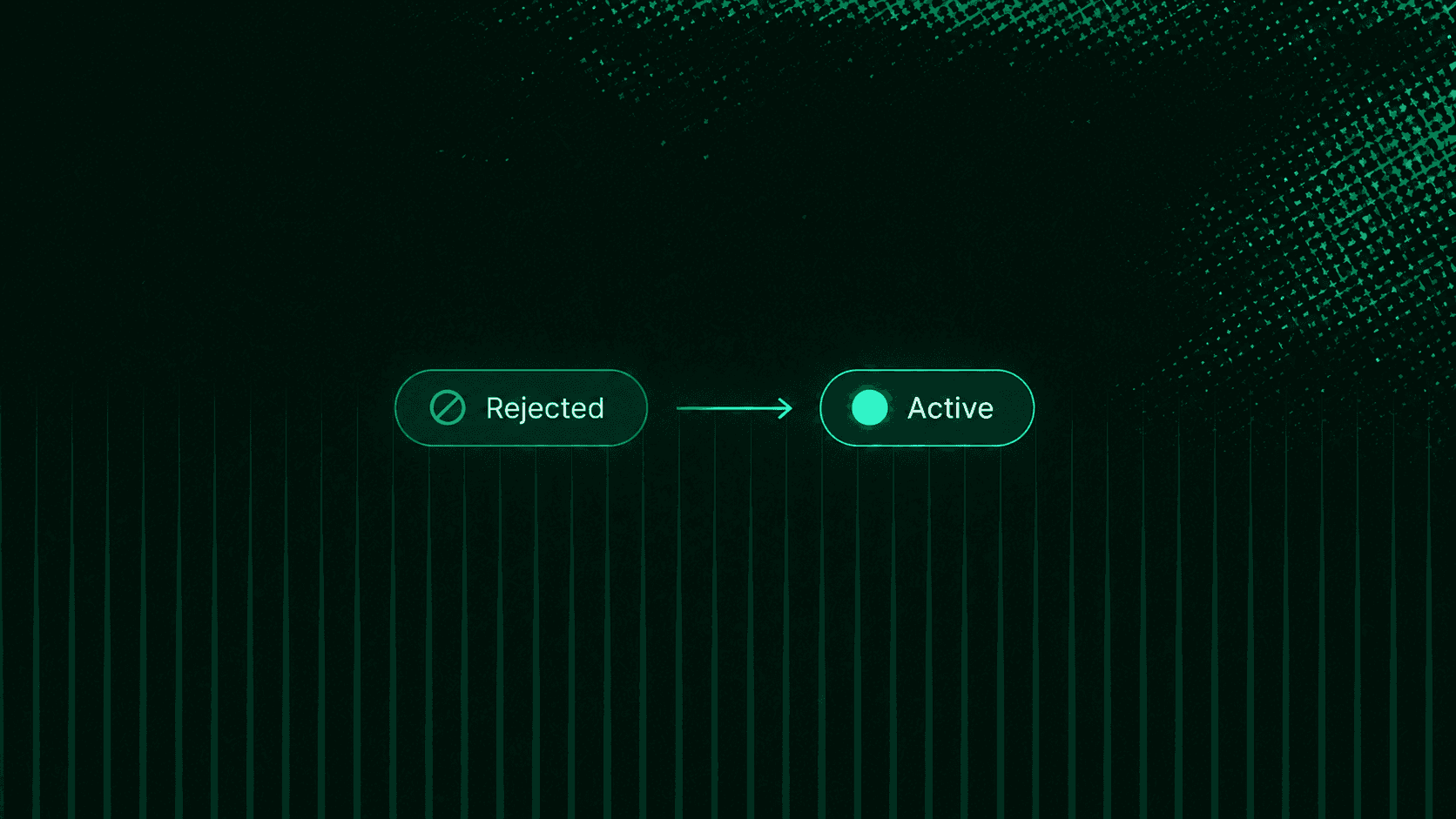
Your ad still got rejected.
If you operate in compounded GLP-1, telehealth, online pharmacy, or any regulated health vertical, this is the part of the job that consumes a disproportionate amount of your team's calendar. Not because operators in this category are non-compliant, but because Meta's enforcement system treats the entire category as a default risk.
What's actually happening when a compliant ad gets rejected
Meta's policy review system in regulated verticals leans heavier on automated detection than most operators realize. The flags that fire are usually pattern-based, not policy-based. Common triggers:
Imagery that resembles before/after framing, even when it isn't
Copy that overlaps with restricted phrases (weight loss, results, dosage language)
URLs containing event names Meta classifies as PHI-adjacent
Page or pixel parameters that look like sensitive health data
Brand-name molecule references in any position
Most of these flags are appealable. The problem is the standard appeal path.
Why standard appeals usually fail
The default Meta appeals flow runs through the same review queue that rejected the ad. Same training data, same automated thresholds, same outcome. Operators in this category appeal hundreds of times and learn the pattern: 24-48 hours of waiting, then a generic re-denial with no reasoning attached.
The Learning phase resets. The campaign loses spend velocity. The next attempt at the same creative gets flagged faster because the previous rejection is now part of the account's history.
Even when a creative is fundamentally compliant, the appeal path can fail seven or eight times before something gets through. By then the team has spent more time fighting rejections than running the campaign.
What direct policy escalation actually looks like
High-trust agency accounts have access to escalation paths the standard appeal button doesn't reach. These aren't separate forms. They're relationships — direct communication with Meta's policy team, surfaced through credentialed account-manager structures that take years to build.
A creative that catches in automated review at 9 AM and goes through escalation by noon doesn't just clear faster — it clears with a different outcome. The reviewer sees the credentialed account state, the verified-advertiser context, and the historical pattern. The decision moves from "category default risk" to "credentialed advertiser running compliant creative."
The same ad. Different decision. Same Meta policy. Different access tier.
This isn't a workaround. It's the path Meta makes available to advertisers it has decided to trust.
How Scoreify does it
Every Scoreify account ships with active policy escalation. Rejected creatives are reviewed and re-approved through direct paths Meta opens for high-trust agency accounts. Pre-launch review catches the patterns that would have flagged before the ad ever enters review. PHI detection patterns are updated as Meta's detection updates, so your team isn't chasing last quarter's pattern.
You don't have to manage 50 weekly appeals to keep your spend running. We do that for you.
You followed every guideline. Your creative is clean. Your landing page has the right disclaimers. Your offer is real, your prescribers are real, your fulfillment is real.
Your ad still got rejected.
If you operate in compounded GLP-1, telehealth, online pharmacy, or any regulated health vertical, this is the part of the job that consumes a disproportionate amount of your team's calendar. Not because operators in this category are non-compliant, but because Meta's enforcement system treats the entire category as a default risk.
What's actually happening when a compliant ad gets rejected
Meta's policy review system in regulated verticals leans heavier on automated detection than most operators realize. The flags that fire are usually pattern-based, not policy-based. Common triggers:
Imagery that resembles before/after framing, even when it isn't
Copy that overlaps with restricted phrases (weight loss, results, dosage language)
URLs containing event names Meta classifies as PHI-adjacent
Page or pixel parameters that look like sensitive health data
Brand-name molecule references in any position
Most of these flags are appealable. The problem is the standard appeal path.
Why standard appeals usually fail
The default Meta appeals flow runs through the same review queue that rejected the ad. Same training data, same automated thresholds, same outcome. Operators in this category appeal hundreds of times and learn the pattern: 24-48 hours of waiting, then a generic re-denial with no reasoning attached.
The Learning phase resets. The campaign loses spend velocity. The next attempt at the same creative gets flagged faster because the previous rejection is now part of the account's history.
Even when a creative is fundamentally compliant, the appeal path can fail seven or eight times before something gets through. By then the team has spent more time fighting rejections than running the campaign.
What direct policy escalation actually looks like
High-trust agency accounts have access to escalation paths the standard appeal button doesn't reach. These aren't separate forms. They're relationships — direct communication with Meta's policy team, surfaced through credentialed account-manager structures that take years to build.
A creative that catches in automated review at 9 AM and goes through escalation by noon doesn't just clear faster — it clears with a different outcome. The reviewer sees the credentialed account state, the verified-advertiser context, and the historical pattern. The decision moves from "category default risk" to "credentialed advertiser running compliant creative."
The same ad. Different decision. Same Meta policy. Different access tier.
This isn't a workaround. It's the path Meta makes available to advertisers it has decided to trust.
How Scoreify does it
Every Scoreify account ships with active policy escalation. Rejected creatives are reviewed and re-approved through direct paths Meta opens for high-trust agency accounts. Pre-launch review catches the patterns that would have flagged before the ad ever enters review. PHI detection patterns are updated as Meta's detection updates, so your team isn't chasing last quarter's pattern.
You don't have to manage 50 weekly appeals to keep your spend running. We do that for you.
Ready to work with Scoreify?
High-trust Meta ad accounts for regulated health & wellness